Continuous Evals
A comprehensive evaluation framework that spans the entire AI development lifecycle.
Monitoring across the entire AI lifecycle
Pre-production evals
- Accelerate development timelines
- Define KPIs
- Squash inconsistent, indeterministic behaviors
- Proactively monitor, identify, and resolve issues proactively throughout the SDLC
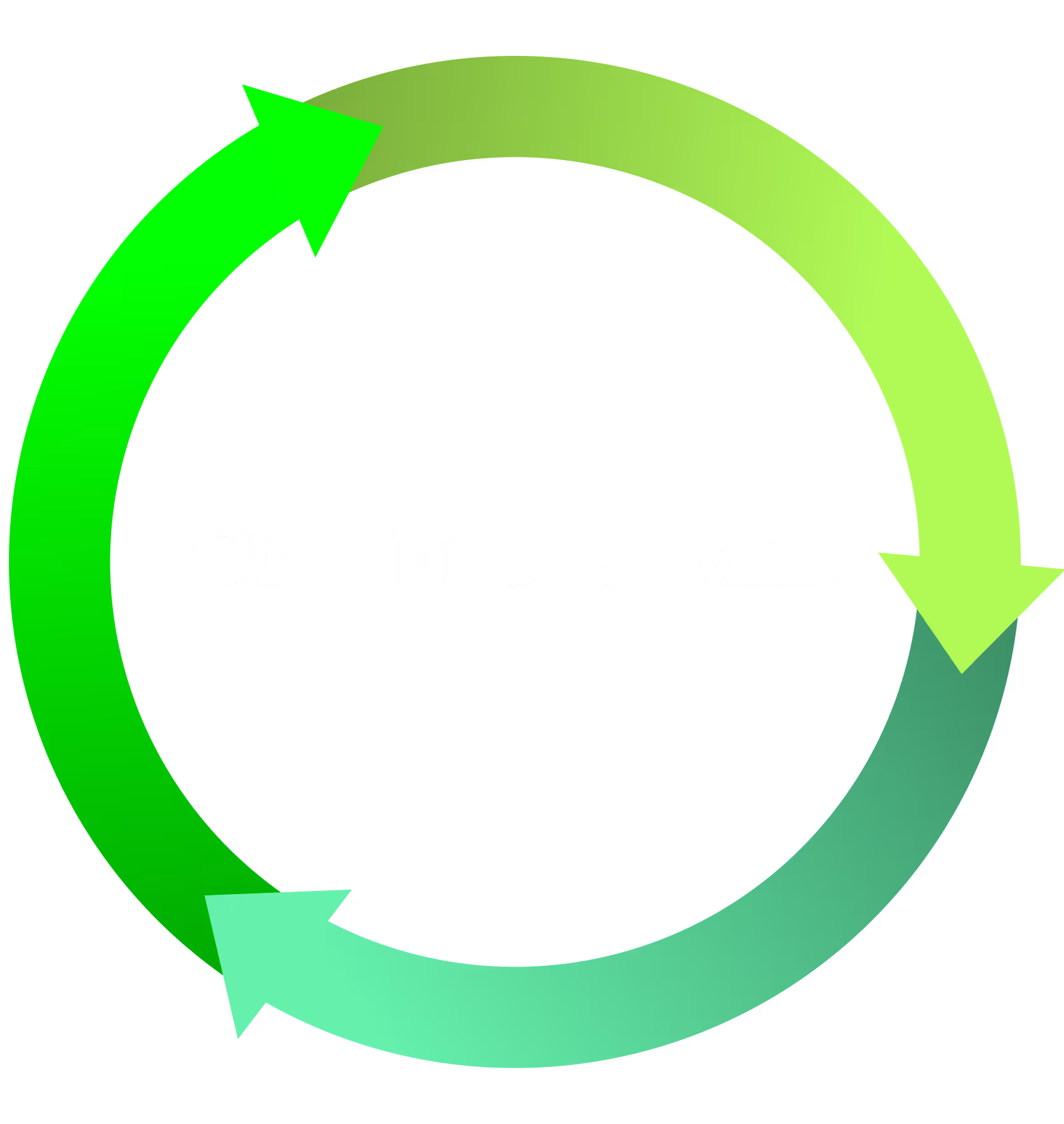
Runtime inference evals
- Build guardrails that enforce acceptable use policies
- Secure applications against misuse and off-brand interactions
Always-on production evals
- Continually improve and monitor your system while serving customers
- Receive actionable and timely alerts and feedback on system performance
- Adapt and change as user behavior changes over time
Continuous Evals (noun):
1. Always-on measurement of AI performance, ensuring excellent quality of service across all user interactions.
2. A live feedback loop that quickly improves applications and corrects common issues before they cause problems.
3. An AI value creation accelerator that boosts AI adoption by speeding up delivery times.
Why Continuous Evaluation Matters
Early Detection
Identify issues before they impact production systems and user experience.
Continuous Improvement
Constantly optimize AI performance based on real-world data and feedback.
Risk Mitigation
Reduce the risk of AI failures, bias, and unexpected behaviors in production.
Business Value
Demonstrate measurable ROI and business impact from AI investments.

Ready to turn your AI into real-world impact?
We’ll help you move from pilots and prototypes to production-grade applications, with evaluation every step of the way.